All stories
Featured
Paryushan — The Great Eight Days
Why Jain families across the world spend eight days each year fasting, listening to the Kalpasutra and asking forgiveness.
5 min read1Published 28/5/2026
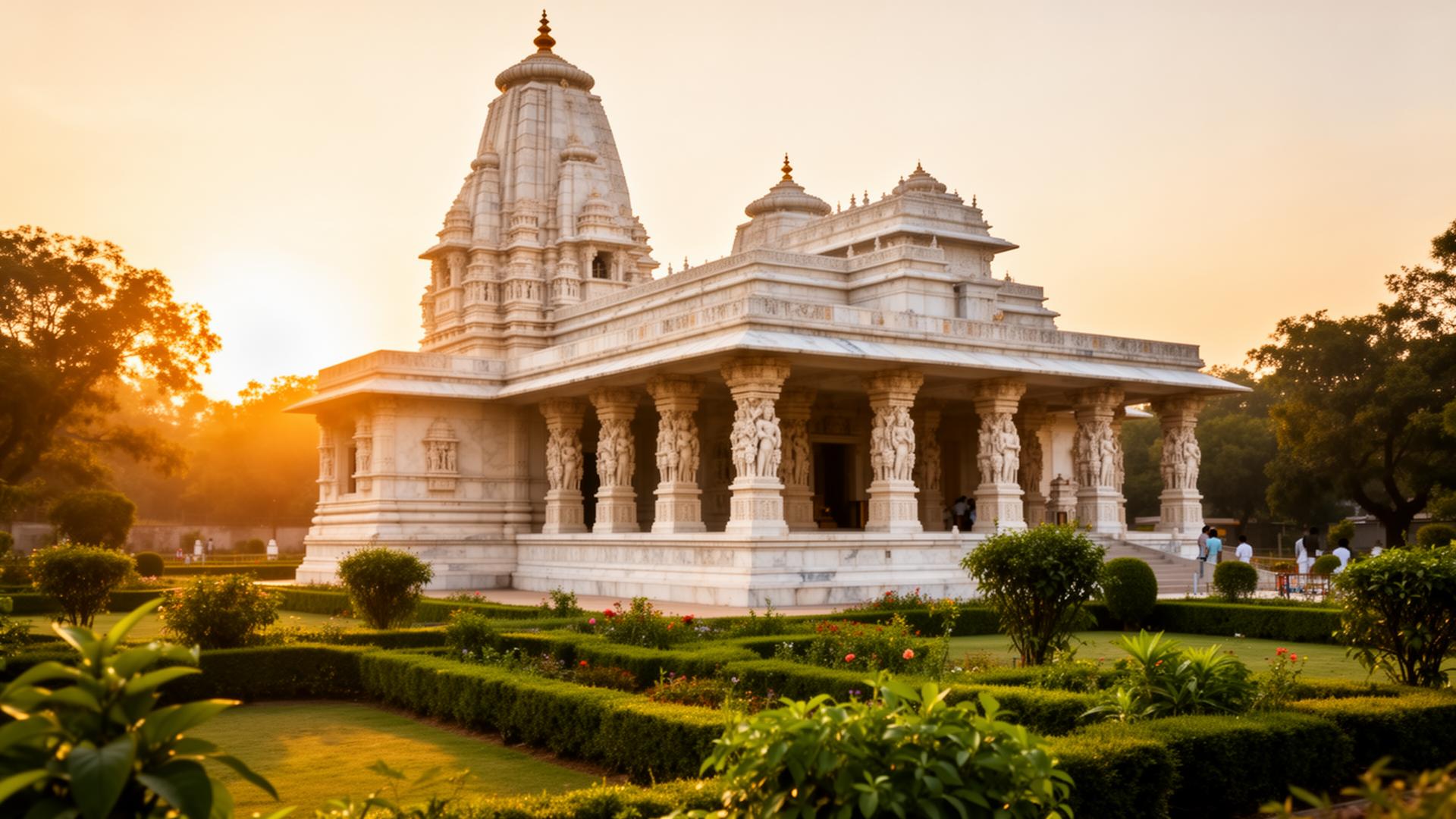
Paryushan is the most important festival in the Jain year. In the Shvetambar tradition it lasts eight days; in the Digambar tradition, ten — when it is called Das Lakshan. It comes during the monsoon, when the rivers swell, the insects multiply and a monk's footsteps can no longer be sure not to crush life. So monks settle in one place for these months, and households gather around them.
The word "Paryushan" comes from "pari-ush" — "to settle down, to come close to oneself." On these eight days the Jain householder slows their work, eats less, sometimes eats nothing, and listens to the Kalpasutra read aloud — the great stories of Bhagwan Mahavir, of Parshvanath, of Adinath. Children sit on mats around their grandparents. Old men with white shawls weep quietly when the story of Mahavir's birth is read.
On the last day comes Samvatsari, the most important day of the Jain year. On Samvatsari, a Jain seeks pardon from everyone they may have hurt in the past twelve months — knowingly or unknowingly, by thought, by word, by deed. The phrase is short: "Michhami Dukkadam" — "may all my wrongs be forgiven and may they bear no fruit." Telephones ring all day. Long-broken cousins speak to each other. Old feuds fall apart with three words.
Paryushan is not about giving things up. It is about practising — eight days a year — to remember what the Jain householder always knows: that the only real wealth is a clean conscience, and the only real festival is one that ends in forgiveness.
How did this story make you feel?